
-36%
Jura professional coffee machine
Monin Syrup - Peach - 1 L
Craft exquisite refreshing beverages with this Monin Peach Syrup. Generous 1 liter glass bottle format.
5,63€8,79€
11,60€
Předpokládané doručení
od čtvrtek 30 červenec
Objednejte do 15h 47min
Snadné vrácení
Vrácení možné do 29 srpen 2026
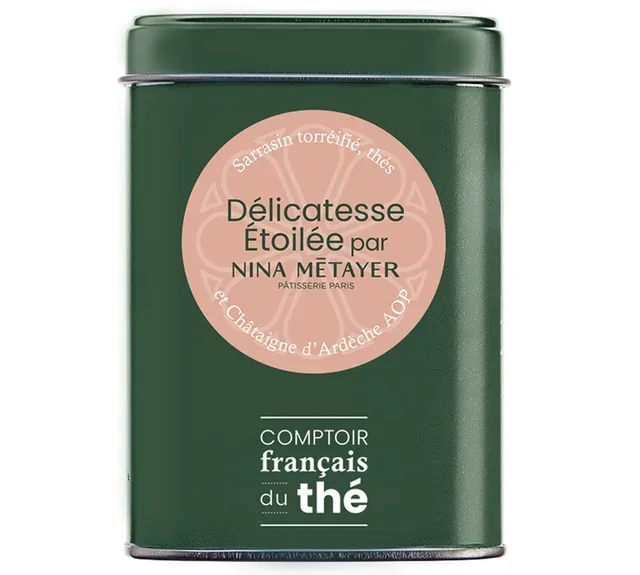
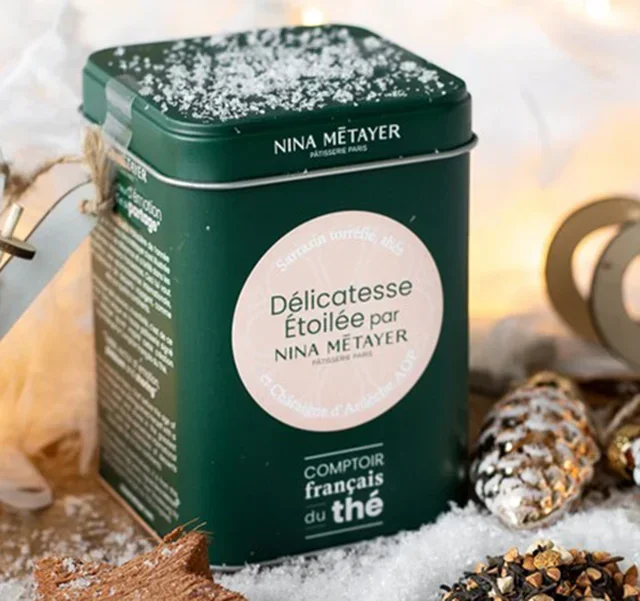
Nina Métayer, francouzská cukrářka uznávaná pro svůj talent a originalitu, vytvořila řadu receptů čajů a bylinných nálevů ve spolupráci s Comptoir Français du Thé.
Hvězdná delikatesa představuje nejbubblivější a nejteplejší recept této kolekce! Tento černý čaj s vůněmi terroiru vás přenese do okamžiku pohody a rozkoše.
Tóny pražené pohanky a ardešského kaštanu poskytují výjimečnou plnost v ústech. Nádech citrusu na konci degustace jemně probudí chuťové pohárky. Celkově jde o zážitek připomínající procházku lesem v prvních podzimních dnech, který se přelije do vašeho hrnku Maxicoffee při degustaci tohoto receptu.
Podlehli jste? Prodlužte svůj zážitek tím, že si vyberete jeden z dalších receptů od Comptoir Français du Thé !
Složení : loupaná pražená semena pohanky (57,5%), čaj (19%: černý čaj a kouřový černý čaj), kousky ardešského kaštanu AOP (10%), přírodní aroma, pomerančová kůra, růžové lístky.
Alergeny : Tento produkt obsahuje semena pohanky a kousky kaštanu, které mohou u některých osob způsobit alergické reakce. Osobám s citlivostí nebo alergií se doporučuje před konzumací konzultovat zdravotnického profesionála.
Comptoir Français du Thé je francouzská značka, která již více než 40 let zpracovává a míchá ty nejlepší čaje světa pro potěšení spotřebitelů.
Cílem tohoto čajového domu je nabídnout "francouzský šálek", jehož jemnost vyplývá z hledání dokonalosti. Jedná se o kolekci černých čajů, zelených čajů, bylinných nálevů, ledových čajů a dalších vynikajících sladkostí k pití, které najdete u Comptoir Français du Thé v různých baleních.
| Storage conditions | Keep tightly closed and store in a cool, dry place (below 25°C). |
| Special feature | Flavored teas/infusions. |
| The user wants me to translate "EAN" from French to English. However, "EAN" is actually an acronym that stands for "European Article Number" in English, and in French it's also commonly used as is since it's an international standard barcode format. Actually, looking at this more carefully, "EAN" in French context typically refers to the barcode system. In English, it's also "EAN" (European Article Number) or sometimes referred to as "International Article Number" (though the acronym EAN is retained). So the translation would simply be "EAN" since it's a proper noun/acronym that remains the same in both languages. But wait - the user said "Return ONLY the translation, nothing else." So I should just provide the translation without any explanation. The answer is: EAN Actually, I should double-check if there's any other meaning. In French, "EAN" could potentially be something else, but most commonly it's the barcode standard. Since it's an acronym, it stays the same in English. EAN (European Article Number) is now officially known as International Article Number, but the acronym EAN is still used. So my final answer should just be: EAN Or if they want the full expansion: European Article Number But given the instruction to return ONLY the translation and nothing else, and "EAN" is already in English (as an acronym), I should just return "EAN". If they wanted the meaning, they would have asked for it. Actually, looking at this again - maybe they want me to expand the acronym? No, the instruction says "translate this French text" and the text is "EAN". Since EAN is the same in both languages, the translation is "EAN". I'll provide just: EAN Wait, I should verify if EAN has a different meaning in French that translates to something else in English. Let me think... EAN could be: - European Article Number (most common) - École Active Bilingue (but that's usually EAB) - Something else? Given the context of translation and that it's presented as a single word/acronym, it's almost certainly the barcode standard, which is the same in English. Final answer: EAN But actually, looking at the user's request format, they provided: French: EAN English: So they want me to fill in the English translation. Since EAN is an international standard acronym, it remains EAN in English. However, if the user meant the expanded form, it would be "European Article Number". But typically when translating acronyms that are the same in both languages, you keep the acronym. I'll go with "EAN". If they wanted the expanded meaning, they should have provided the expanded French version. Actually, one more check: in French, is EAN ever expanded differently? No, it's "Numéro d'article européen" in French, but the acronym EAN is used internationally. So my answer is simply: EAN But I want to make sure - the user said "Return ONLY the translation, nothing else." This means no quotes, no explanation, just the text. Final output: EAN Hmm, but if I'm being pedantic, if someone asks to translate "EAN" from French to English, and it's already an English acronym (European Article Number), then technically the French version is the borrowed acronym too. So the translation is identical. I'll provide: EAN Or should I provide the full English expansion? The user said "translate this French text" and the text provided is "EAN". In translation tasks, if the source is an acronym that exists in the target language, you typically keep it. If it's a foreign acronym, you might expand it or keep it depending on context. Given that EAN is internationally recognized and the same in both languages, and there's no context suggesting otherwise, I'll return "EAN". Actually, I realize I might be overthinking this. The simplest answer is that EAN in French translates to EAN in English, as it's an international standard code. Final answer: EAN | 3700470685727 |
Jura professional coffee machine
Craft exquisite refreshing beverages with this Monin Peach Syrup. Generous 1 liter glass bottle format.

Jura professional coffee machine
Elevate your hot and cold beverages with this French Vanilla syrup – from morning coffee to decadent milkshakes and creamy frappés. Its smooth vanilla sweetness transforms everyday drinks into indulgent treats.

Jura professional coffee machine
Create refreshing smoothies, sorbets, and alcoholic or non-alcoholic cocktails with this Monin puree featuring at least 50% blended fruit content.
Jura professional coffee machine
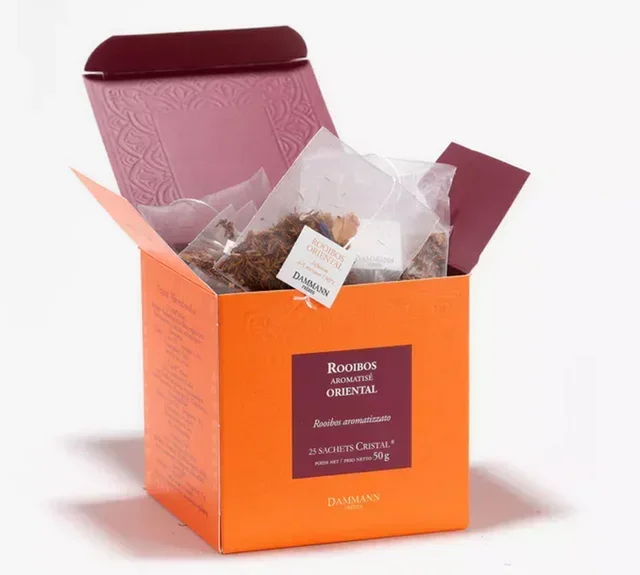
South African rooibos featuring passion fruit, vineyard peach and wild strawberry notes, with pieces of fruit and multicolored cornflower petals.